

Seasonal Allergies in Dogs: A Year-Round Guide

Seasonal allergies don’t just affect people—dogs can react to changing environments, too. If your pup is scratching, licking paws, or dealing with recurrent skin issues, understanding the triggers, symptoms, and simple at-home steps can make a big difference. This guide walks through what to watch for in each season and shares natural options from Hemp Well® that many pet parents use to support comfort and skin health.
Helpful Products for Allergy Season
Explore organic, simple-ingredient formulas—made in the USA and third-party tested.
Hip & Joint Dog Soft Chews Calm Dog Soft Chews Relief CBD Dog Soft Chews Hemp Omega Oil for Dogs
Common Triggers of Dog Seasonal Allergies
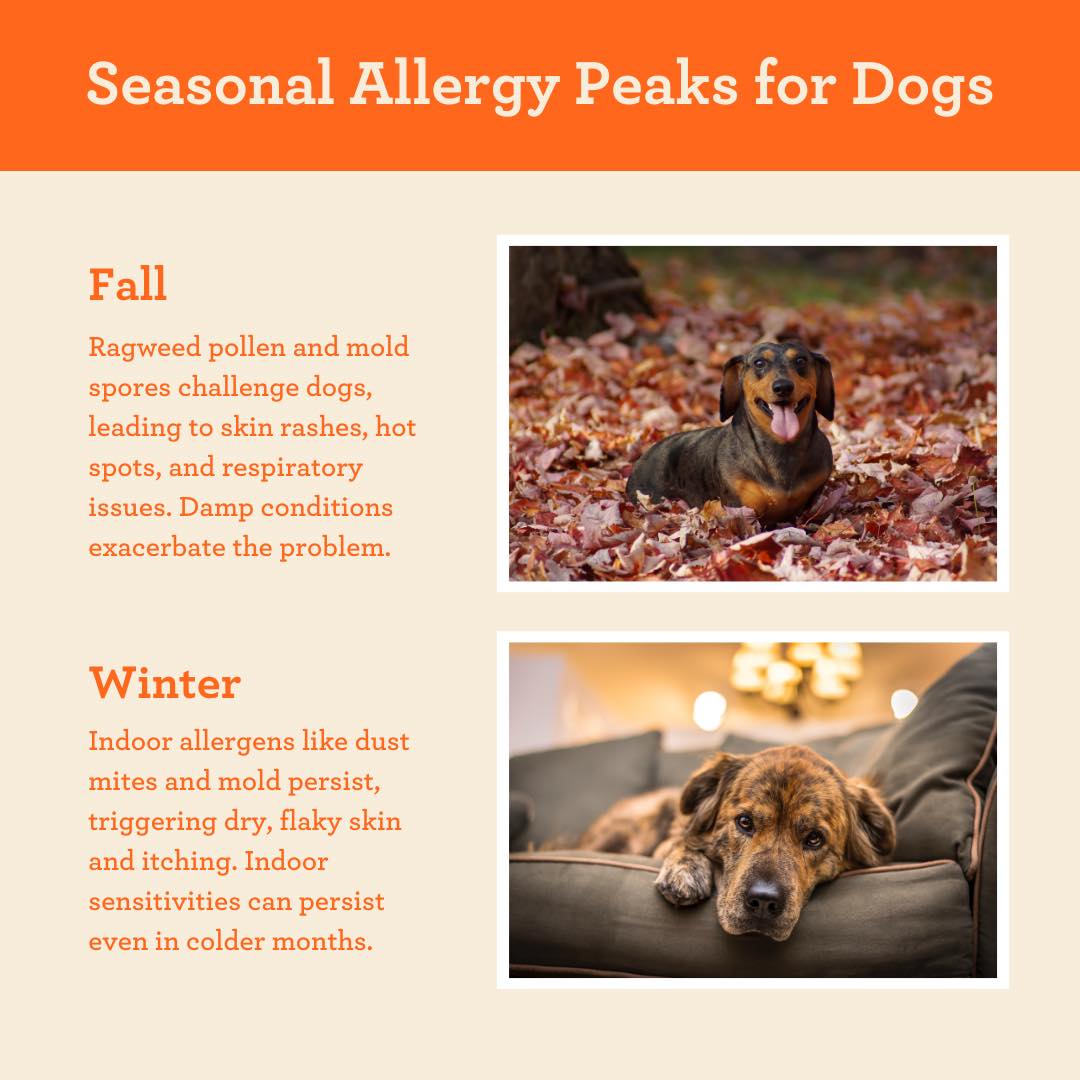
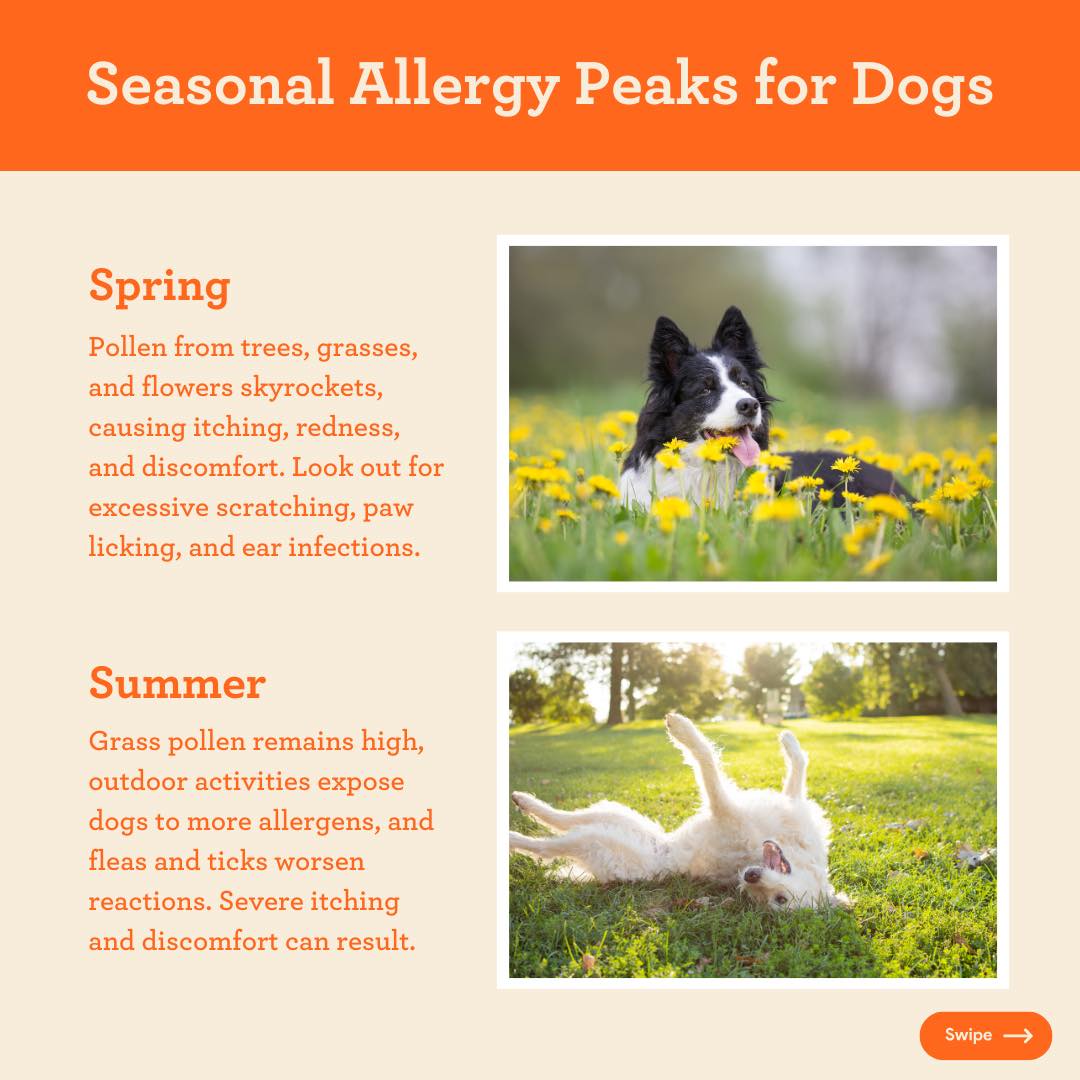
- Pollen: Trees (spring), grasses (summer), and weeds (late summer/fall).
- Mold spores: Thrive in damp leaves, basements, or bathrooms.
- Dust & dust mites: More noticeable during closed-window months.
- Fleas: Saliva can cause intense itching—use prevention year-round.
- Household irritants: Cleaning sprays or synthetic fragrances may aggravate skin.
How to Spot Allergy Symptoms
Allergy signs often wax and wane with the seasons. Look for:
- Frequent scratching, chewing, or head shaking
- Licking/chewing paws; red or stained fur between toes
- Red, flaky, or inflamed skin; hot spots
- Watery eyes, sneezing, nasal discharge
- Recurring ear debris or infections
- Thinning coat or patched hair loss
Everyday Support (That Actually Helps)
1) Rinse Away Irritants
Wipe paws and belly after walks to remove pollen and dust. Bathe weekly (or as recommended by your vet) with a gentle, fragrance-free shampoo. Launder bed covers in hot water to reduce allergens.
2) Feed the Skin Barrier
Omega-3 and omega-6 fatty acids help maintain the skin’s natural barrier. Many pet parents add a daily omega source:
➜ Hemp Omega Oil for Dogs — plant-based omegas to support skin & coat comfort.
3) Keep Your Dog Comfortable
When seasonal discomfort flares after activity, some owners use hemp-derived support:
➜ Relief CBD Dog Soft Chews — for everyday aches and discomfort.
➜ Calm Dog Soft Chews — for a relaxed temperament during stressful triggers (grooming, vet visits).
4) Clean the Environment
Use a HEPA vacuum/filter, dehumidify damp spaces, and swap strong fragrances for gentle, pet-safe alternatives. During high pollen days, keep windows closed and run HVAC on recirculate.
5) Partner With Your Veterinarian
For persistent symptoms, see your vet. They may suggest flea control, diet trials, topical therapies, or medication. Always consult your veterinarian before changing your dog’s routine.
Season-by-Season Tips
| Season | Common Triggers | What to Do |
|---|---|---|
| Spring | Tree pollens, early mold | Rinse paws after walks; bathe weekly; keep windows closed on high-pollen days; add Hemp Omega Oil. |
| Summer | Grass pollens, fleas | Use flea prevention; wipe down after lawn play; consider Relief CBD Dog Soft Chews after active days. |
| Fall | Weed pollens, leaf mold | Rake leaves promptly; wash bedding often; support calm during routine changes with Calm Dog Soft Chews. |
| Winter | Dust mites, dry air | Humidify to protect skin; deep-clean soft surfaces; maintain omega support for coat health. |
When to See the Vet
Book an appointment if your dog has open sores, ear infections, persistent hair loss, or skin that looks infected (oozing, strong odor). Your veterinarian can rule out other conditions and tailor a plan that may include diet, topicals, or prescribed therapies in addition to your at-home routine.
Build Your Allergy-Season Toolkit
Always follow label directions and consult your veterinarian, especially for puppies, seniors, or dogs on medications.
Article review
How this Hemp Well article is reviewed.
Author bio: Hemp Well’s editorial team writes pet wellness articles using Hemp Well product knowledge, label directions, customer questions, and responsible hemp education.
Reviewer bio: Reviewed for product accuracy, claim discipline, label consistency, and Hemp Well quality standards.
Veterinary note: This article is educational and is not a substitute for diagnosis, treatment, or advice from your veterinarian. Veterinary credentials are listed only when a specific veterinary reviewer is named.
Editorial policy, veterinary note & source citations
Editorial policy: Hemp Well content is written to help pet parents understand pet hemp products, serving-size considerations, product formats, quality standards, and safer shopping decisions. We avoid disease-treatment claims and update articles when product labels, regulations, or available guidance changes.
Veterinary note: Hemp Well educational content is not veterinary medical advice. If your pet has a medical condition, takes medication, is pregnant, intended for breeding, or symptoms worsen, consult your veterinarian before starting or continuing any supplement.
Sources and references:


