Can Dogs Have Avocado Oil? Benefits, Risks & Safer Alternatives

Avocado is a controversial food for dogs — while the flesh and skin contain persin (a substance that can be toxic to some animals), avocado oil is typically processed without persin and is considered safer in small amounts. However, avocado products still pose potential choking hazards (from the pit) and can cause gastrointestinal upset or pancreatitis if overfed.
Potential Benefits & Risks of Avocado Oil for Dogs
1. Inflammatory Effects & Healthy Fats
Avocado oil contains heart-healthy monounsaturated fats. In moderation, these fats can promote a shiny coat, moisturized skin, and support overall wellness. But because avocado oil is calorie-dense, overfeeding can lead to weight gain or contribute to pancreatitis in sensitive dogs.
2. Recommended Dosage
If you choose to add avocado oil to your dog’s diet, start slowly — typically 1/4 teaspoon to 1 teaspoon per day depending on your dog’s size, age, and health status. Always introduce new foods gradually and monitor for signs of stomach upset (vomiting, diarrhea, or changes in stool).
3. Veterinary Guidance
Because every dog is different, consult your veterinarian before offering avocado oil — especially if your pet has a history of pancreatitis, obesity, or food sensitivities.
Safer & More Reliable Alternatives to Avocado Oil
Not sure about avocado oil? There are other healthy fat sources that are easier to measure and formulated with dogs in mind:
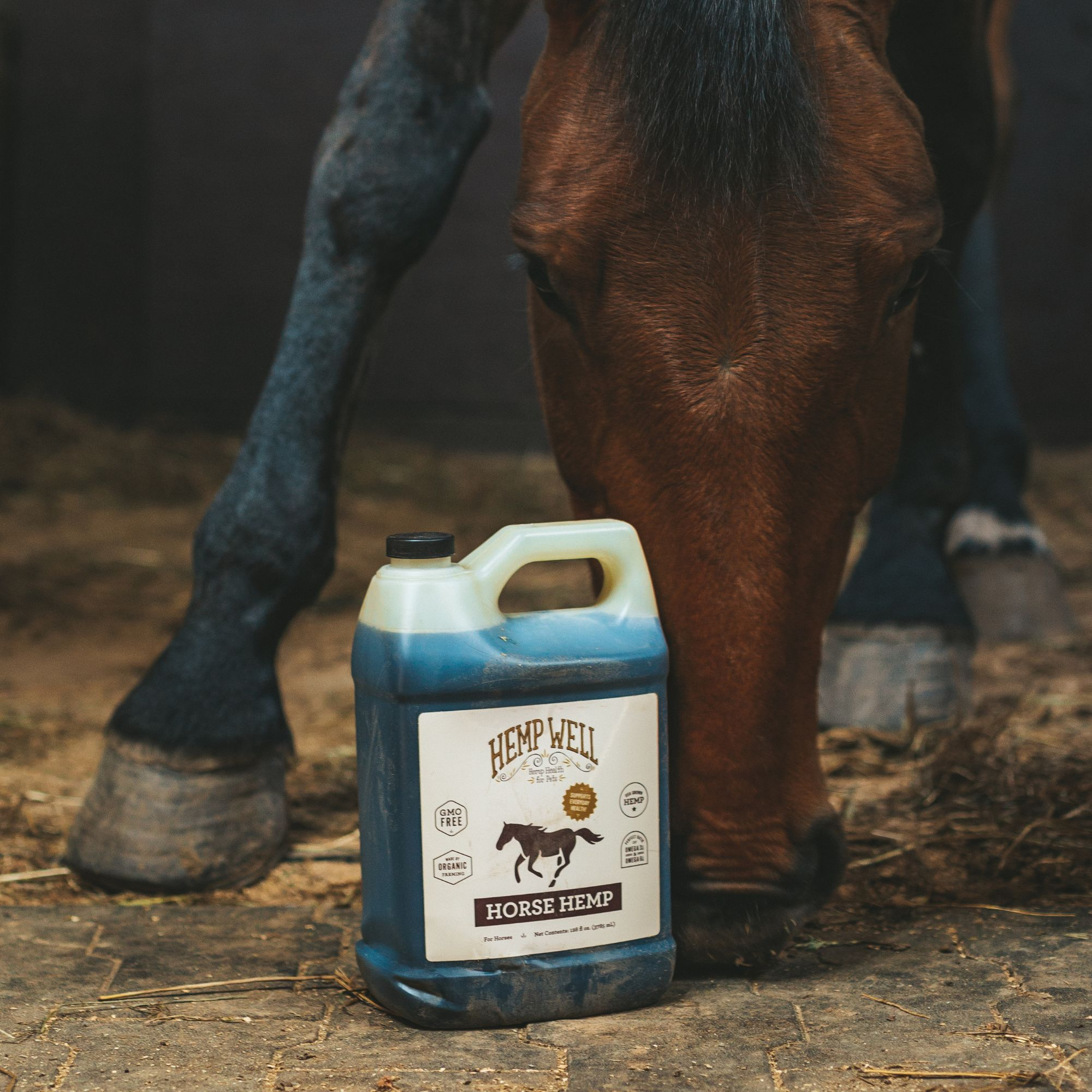
- Hemp Seed Oil: A powerhouse of omega-3 and omega-6 fatty acids in the perfect ratio for skin, coat, and immune health. Choose organic, cold-pressed oil for the highest quality.
- Salmon or Fish Oil: Rich in EPA and DHA, supporting joint comfort, heart health, and shiny coat. Choose dog-specific products with controlled purity and dosing.
- Coconut Oil: Contains medium-chain triglycerides (MCTs) that can aid digestion and energy — start with very small amounts to avoid loose stools.
- Flaxseed Oil: Plant-based omega-3 source that supports skin and coat, especially for dogs with fish allergies.
- Olive Oil: Rich in monounsaturated fats, can be added in tiny amounts for flavor and coat health.

Key Takeaways
Avocado oil can be safe in small, controlled amounts but is not necessary for most dogs’ diets. Safer, dog-formulated oils like Hemp Well Hemp Seed Oil or fish oil are preferred because they provide known, consistent levels of omega fatty acids without the risks of persin exposure or excess calories.
Remember: Always consult your veterinarian before introducing new supplements or making major dietary changes. Monitor your dog closely when introducing any new fat source to avoid GI upset.
Frequently Asked Questions About Avocado & Dogs
Is avocado safe for dogs?
Avocado flesh, skin, and pit can contain persin, which may be toxic to some animals. Avocado oil, however, is usually processed without persin and is safer in moderation. Consult your vet before feeding.
How much avocado oil can I give my dog?
Start with 1/4 teaspoon to 1 teaspoon per day (depending on your dog’s size) and monitor for stomach upset. Always introduce gradually.
Are there better alternatives than avocado oil?
Yes — hemp seed oil, fish oil, coconut oil, flaxseed oil, and olive oil can all provide beneficial fatty acids and are commonly used in dog diets.
Article review
How this Hemp Well article is reviewed.
Author bio: Hemp Well’s editorial team writes pet wellness articles using Hemp Well product knowledge, label directions, customer questions, and responsible hemp education.
Reviewer bio: Reviewed for product accuracy, claim discipline, label consistency, and Hemp Well quality standards.
Veterinary note: This article is educational and is not a substitute for diagnosis, treatment, or advice from your veterinarian. Veterinary credentials are listed only when a specific veterinary reviewer is named.
Editorial policy, veterinary note & source citations
Editorial policy: Hemp Well content is written to help pet parents understand pet hemp products, serving-size considerations, product formats, quality standards, and safer shopping decisions. We avoid disease-treatment claims and update articles when product labels, regulations, or available guidance changes.
Veterinary note: Hemp Well educational content is not veterinary medical advice. If your pet has a medical condition, takes medication, is pregnant, intended for breeding, or symptoms worsen, consult your veterinarian before starting or continuing any supplement.
Sources and references: