Why Does My Cat Keep Throwing Up Hairballs? Causes, Prevention, and Relief

Hairballs are common, but they are not something most cat parents enjoy finding on the rug. If your cat keeps throwing up hairballs, it usually means loose hair is collecting in the digestive tract faster than the body can move it along. Cats groom constantly, so swallowing some fur is normal. Trouble starts when too much hair builds up, especially in long-haired cats, indoor cats, heavy groomers, and cats going through seasonal shedding.
Occasional hairballs may be part of normal grooming. Frequent hairballs are a sign that your cat’s routine may need more support. The goal is to help hair pass more smoothly, reduce buildup, and support overall digestive comfort.
Why cats get hairballs
Hairballs are more likely when a cat sheds heavily, overgrooms, or has a coat that traps loose fur. Long-haired breeds often deal with them more than short-haired cats, but any cat can have the problem. Indoor cats may also groom more out of boredom or habit. In some cases, digestive slowdown, stress, or diet issues may make it harder for swallowed hair to move through the system efficiently.
If your cat is vomiting often and you are not sure whether it is really hairballs, start with the bigger picture. Is your cat eating normally? Is the vomit mostly hair, foam, or food? Is your cat acting normal afterward? For a wider look at possible causes, read Why Is My Cat Vomiting?.
How to help prevent hairballs
Grooming is the first line of defense. Regular brushing removes loose hair before your cat can swallow it. This matters even more for long-haired cats and during shedding season. Hydration also matters. A well-hydrated digestive tract generally moves things along better than a dry one.
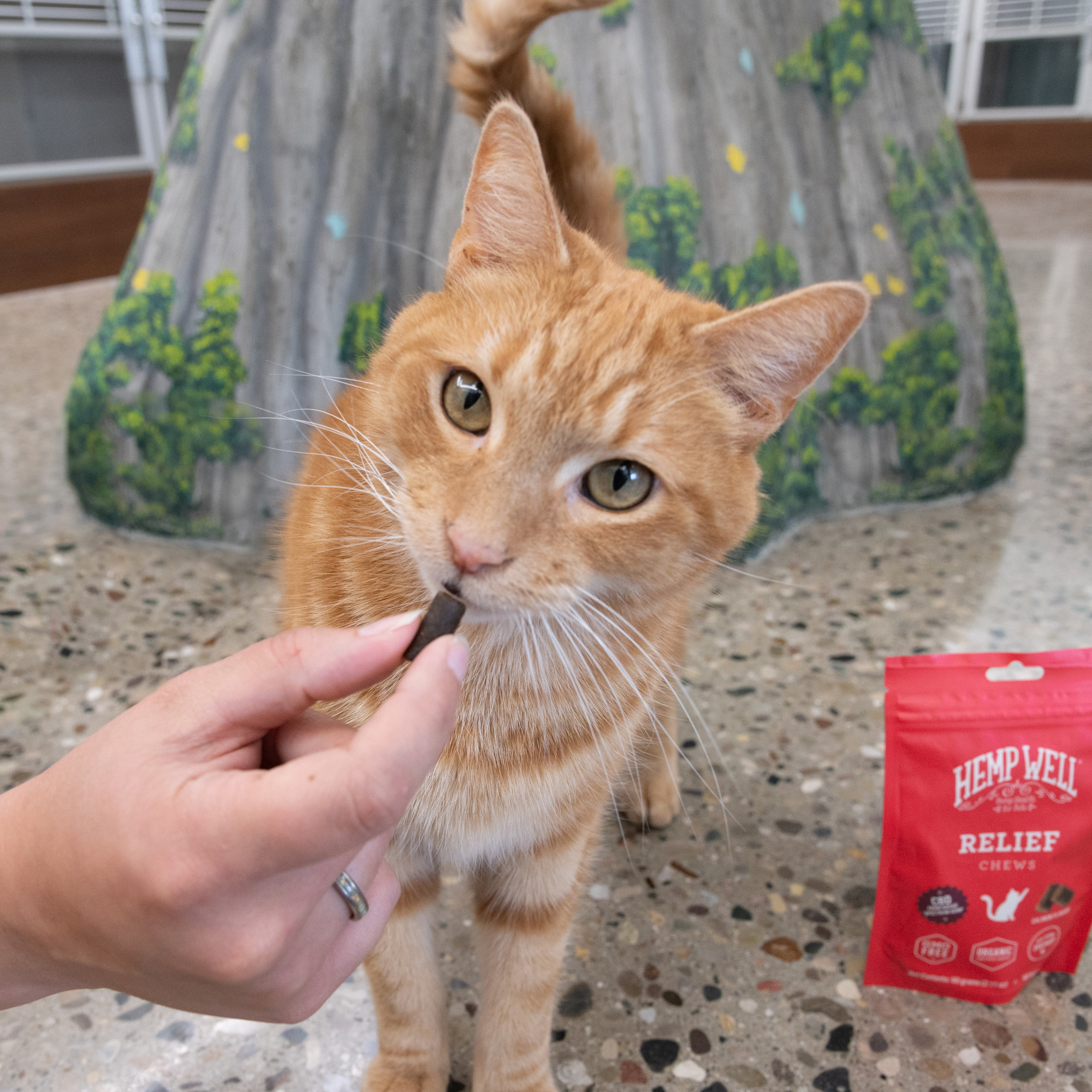
Supportive ingredients can help too. Many pet parents look for gentle digestive support that also supports skin and coat health. Hemp Well Cat Hairball Soft Chews are made with hemp, pumpkin seed, and psyllium fiber to support hairball control and digestive function. You can also explore the full cat collection for products that fit a daily feline wellness routine.
Could stress play a role?
Yes. Some cats groom more when they are stressed or when the household routine changes. That extra grooming can mean extra swallowed fur. If your cat seems especially tense during travel, visitors, grooming, or vet visits, gentle calming support may help reduce stress-related overgrooming in some cases. Calm Cat Oil is one option to consider if relaxation is part of the bigger picture.
When hairballs are not “just hairballs” anymore
Talk with your veterinarian if your cat is vomiting frequently, losing weight, refusing food, straining without producing a hairball, or acting lethargic. Hairballs should not become the catch-all explanation for every episode of vomiting. A vet can help rule out other digestive concerns and guide you on what is normal for your cat.
For many cats, hairball relief is about simple, repeatable habits: brushing, hydration, digestive support, and less stress. Once those pieces are in place, many cat parents see fewer messy surprises and a more comfortable cat.
Frequently Asked Questions
Why does my cat keep throwing up hairballs?
Cats usually throw up hairballs when they swallow more fur than their digestive tract can move through comfortably. Long hair, heavy grooming, shedding, and stress may all contribute.
How can I help prevent cat hairballs naturally?
Regular brushing, hydration, a balanced routine, and digestive support made for cats may help reduce hairball buildup.
Are hairball chews good for cats?
Many cat parents use hairball chews as part of a routine to support digestion and help hair pass more smoothly.
When should I worry about hairballs?
Call your veterinarian if vomiting is frequent, your cat stops eating, seems lethargic, loses weight, or keeps retching without producing a hairball.
Article review
How this Hemp Well article is reviewed.
Author bio: Hemp Well’s editorial team writes pet wellness articles using Hemp Well product knowledge, label directions, customer questions, and responsible hemp education.
Reviewer bio: Reviewed for product accuracy, claim discipline, label consistency, and Hemp Well quality standards.
Veterinary note: This article is educational and is not a substitute for diagnosis, treatment, or advice from your veterinarian. Veterinary credentials are listed only when a specific veterinary reviewer is named.
Editorial policy, veterinary note & source citations
Editorial policy: Hemp Well content is written to help pet parents understand pet hemp products, serving-size considerations, product formats, quality standards, and safer shopping decisions. We avoid disease-treatment claims and update articles when product labels, regulations, or available guidance changes.
Veterinary note: Hemp Well educational content is not veterinary medical advice. If your pet has a medical condition, takes medication, is pregnant, intended for breeding, or symptoms worsen, consult your veterinarian before starting or continuing any supplement.
Sources and references: